If you’ve ever stood in the cleaning aisle trying to “do better” for your health and the planet, you’re not alone. Over the past few years, green, eco, natural, and plant-based cleaning products have exploded in popularity.
But here’s the uncomfortable truth:
many of these products aren’t actually safe — they’re just marketed that way.
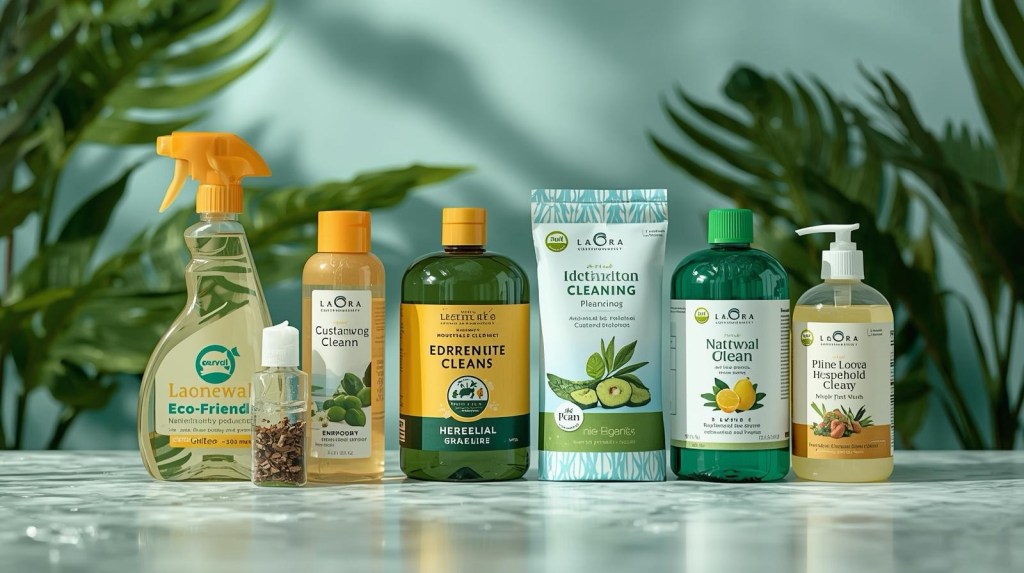
This practice is called greenwashing — when brands use earth-friendly language and packaging to appear clean, non-toxic, or sustainable, without meeting meaningful health or transparency standards.
In this post, we’ll break down:
* What greenwashing really looks like in cleaning products
* Why many popular “green” brands still aren’t healthy
* How to spot misleading labels
* Which cleaning products are actually safe — and worth buying instead
🌱 What “Greenwashing” Really Means
Greenwashing happens when brands rely on vague, unregulated marketing terms like:
* Natural
* Eco-friendly
* Plant-based
* Non-toxic
* Clean
* Free & Clear
There is no legal definition for most of these words in household cleaning products.
That means:
A product can be labeled “plant-based” and still contain harsh solvents “Natural fragrance” can hide dozens of undisclosed chemicals “Eco” packaging doesn’t guarantee safe ingredients
To make matters worse, most cleaning companies are not required to disclose every ingredient, especially when it comes to fragrance blends and “inactive” ingredients.
🧪 Why EWG Ratings Actually Matters
The Environmental Working Group (EWG) evaluates cleaning products based on:
* Ingredient safety
* Transparency
* Health impacts (respiratory, hormonal, environmental)
Here’s the key distinction:
* EWG VERIFIED® or EWG A-rated = meets strict health and disclosure standards
* EWG B–F rated = may contain ingredients of concern or lack transparency
A product can look green and still fail to meet these standards.
🚫 Popular Cleaning Products That Look Green — But Aren’t
These are some of the most commonly purchased “green” cleaners that people assume are safe — but often fall short when you look at ingredients and ratings.
❌ Mrs. Meyer’s Clean Day
Beautiful packaging, garden-inspired scents, and cozy branding — but many products contain synthetic fragrance blends that can trigger headaches, allergies, and asthma. Fragrance is often undisclosed, making ingredient transparency weak.
Why it’s misleading:
“Plant-derived” marketing doesn’t equal fragrance-free or non-toxic.
❌ Method
Method markets heavily on being plant-based and sustainable. While some formulas are better than conventional cleaners, many are not EWG VERIFIED® and rely on fragrance and synthetic surfactants.
Why it’s misleading:
Eco branding + modern design ≠ safest option.
❌ Seventh Generation
This brand helped popularize “green cleaning,” but not all products meet high safety standards — especially scented sprays and detergents that include preservatives and undisclosed fragrance components.
Why it’s misleading:
Brand reputation doesn’t mean every formula is clean.
❌ ECOS
Despite “earth-friendly” branding, many formulas score mid-range on safety scales. Some ingredients raise concerns for skin irritation and aquatic toxicity.
Why it’s misleading:
“Eco” in the name doesn’t guarantee low-toxicity ingredients.
❌ Clorox Green Works
Marketed as a green alternative from a conventional cleaning giant. However, many formulas still rely on strong solvents and irritants.
Why it’s misleading:
A green label from a traditional chemical company doesn’t equal non-toxic.
❌ Palmolive (Pure + Clear / “Gentle” lines)
Often perceived as safer because they’re dye-free or fragrance-light — but still rely on petroleum-derived surfactants and lack full transparency.
Why it’s misleading:
“Clear” doesn’t mean clean.
⚠️ Why These Ingredients Matter
Many greenwashed cleaners still contain:
* Synthetic fragrance (can hide dozens of chemicals) * Preservatives linked to skin irritation
* VOCs that reduce indoor air quality
* Surfactants harmful to aquatic life
These compounds don’t just disappear after you clean — they linger on surfaces, in the air, and on your skin.
✅ Cleaning Products That Are Actually Healthy & Safe
Now the good part — what to buy instead 👇
These brands prioritize ingredient transparency, low toxicity, and third-party verification.
ATTITUDE
* Many products are EWG VERIFIED®
* Clear ingredient disclosure
* Excellent fragrance-free options
Top Products to Use from Attitude:
AspenClean
* Certified by EWG
* Made with organic ingredients
* Strong cleaning power without harsh chemical
Top Products to Use from AspenClean
Branch Basics
* Minimal ingredients
* One concentrate for multiple uses
* Excellent for sensitive households
Top Products to use from Branch Basics
Blueland
* Refillable system = less plastic waste
* Simple, transparent formulas
* Several EWG-approved options
Top Products to Use from Blueland
🧠 How to Avoid Greenwashing Going Forward
When shopping for cleaning products:
✔ Look for EWG VERIFIED® or A-rated products
✔ Avoid vague fragrance terms
✔ Choose brands that disclose every ingredient
✔ Fewer ingredients = fewer risks
✔ Ignore packaging — read the formulation
🏁 Final Thoughts
Switching to healthier cleaning products doesn’t mean sacrificing performance — it means not falling for marketing tricks.
Many popular “green” cleaners rely on branding, not science. The brands listed above prove that safe, effective, truly non-toxic cleaning products exist — and once you switch, you’ll never want to go back.
Your home deserves better than greenwashing.
Affiliate Disclosure
Some links in this post are affiliate links. If you click and purchase, I may earn a commission at no extra cost to you.
 TrendSpace Finds
Leave a comment